
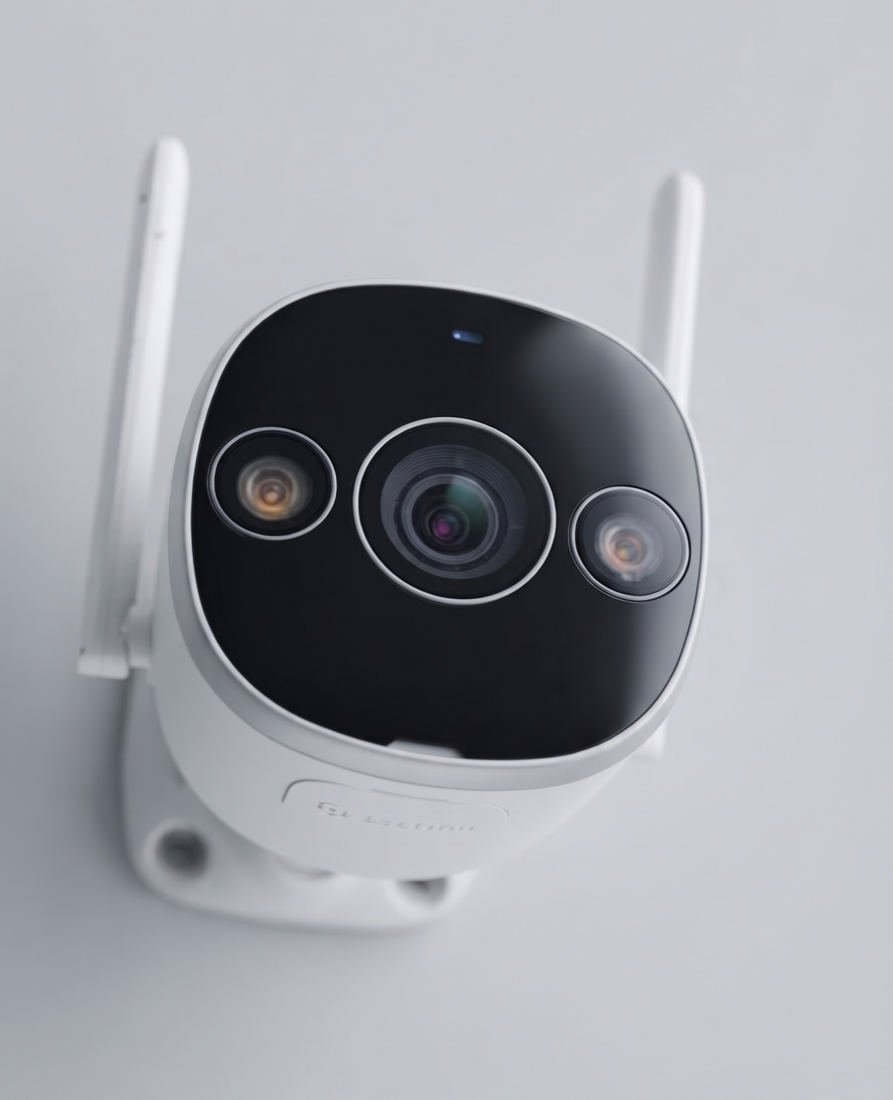
jupyter Camera
One camera, for the corner you missed.
Twin spotlights for a clear picture in low light. Designed to work with the Hub out of the box.
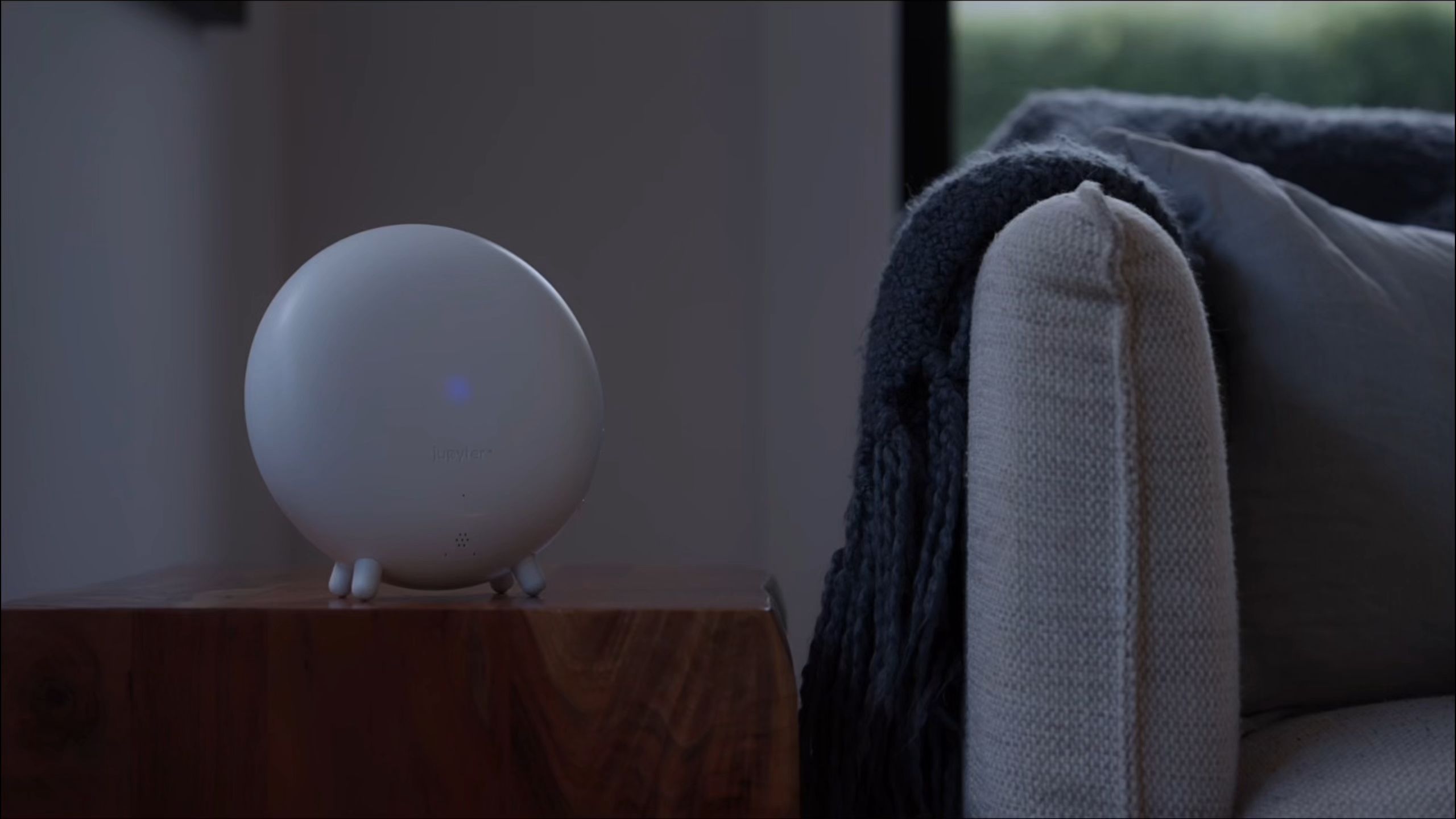
A small hub that plugs into the cameras you already own, gives them six senses, and puts a Halo at the door. Recordings stay in your home. No monthly fee for storage or AI.
One billion
security cameras are watching the world right now.
Most of them can only watch.
Yours watch. They record.
Then they send you a clip, after.
By then it is over.
The footage is evidence. It was never protection.
Then the camera company charges you to keep it.
Many camera brands charge a monthly fee to keep your own footage in their data centre. Long after the camera is old.
What if the same camera could sense a threat, and deter it?
The film
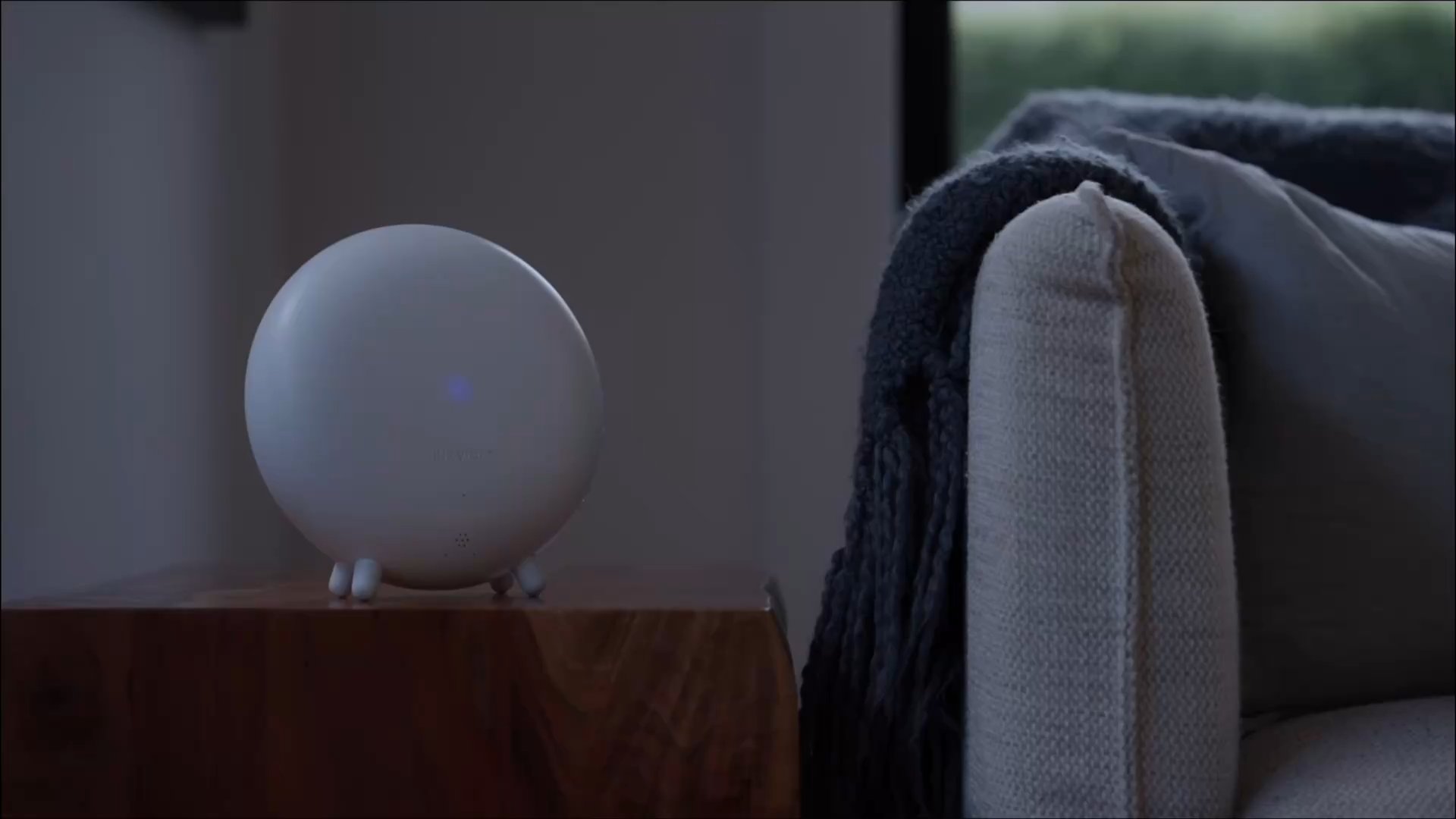
Trouble playing? Watch on YouTube.
The answer
jupyter is a small box that plugs into the cameras you already own and gives them a brain. Six senses run inside your home, on every camera at once. It knows your family from a stranger, a parcel from a person, and glass breaking from a door closing. When it senses a threat, it answers straight away: a house that sounds occupied, and a siren at the door if they stay.
Six senses
Cameras see. These understand.
Six engines, running on the Hub, on the cameras you already own. Each one exists because a camera on its own gets something wrong.
FaceAI
It knows your family. So it can notice a stranger.
It learns who belongs and goes quiet for them, so the only alerts are about people who don't. Faces are recognised on the Hub.
VehicleAI
It reads the plate. It remembers the car.
Number plate and vehicle recognition, on the Hub. Yours comes and goes without a word. An unfamiliar one lingering gets named. Garage open and close, with a supported Wi-Fi opener Limited beta
ParcelAI
A delivery is a promise. It keeps it.
It sees the parcel land and guards it until you are home. If it leaves with the wrong person, the Halo sounds and you know straight away. An alert that says parcel, not motion.
SoundAI
Cameras have blind spots. Sound does not.
Glass. A forced door. A raised voice. Heard in the rooms with no camera, through your cameras' microphones and the Indoor Halo. Trained on the signatures of forced entry, not on loud noises.
LoiterAI
Break-ins are planned. It catches the planning.
The person who waits at the fence tonight is the one who comes back tomorrow. Motion detection sees everything that moves. This sees the one that waits, and answers before the plan becomes a break-in.
OccupancyAI
An empty house is an invitation. Yours declines.
Footsteps. A dog. A television through a wall, on a rhythm that never repeats. Burglars listen before they look, and they hear a house with people in it.
See it work
The same camera, twice. Watch the line sweep across to reveal what jupyter understands. Drag it to compare at your own pace.
Demonstration footage. Detection labels are shown as jupyter draws them.
SoundAI
Trained on the sounds of forced entry, not on loud noises. While the house is armed, it listens through your cameras' microphones and the Indoor Halo, and covers the rooms no lens does.
Everyday sounds such as speech, music, television and traffic are recognised as ordinary and don't raise an alert.
OccupancyAI
Burglars listen before they look. The Indoor Halo plays the sounds of a lived-in home, when the cameras see someone at the gate or on a schedule you set.
Home sounds active
Footsteps, a television through a wall, a door closing. Nothing repeats, so nothing sounds recorded.
VoiceAI Beta
Every event at home, summarised in plain English when you ask. People, parcels, sounds, vehicles.
VoiceAI is in beta at launch and may later become an optional subscription. The six core senses and your storage are a one-time purchase.
The difference
Your cameras
jupyter connects over RTSP and ONVIF, the open standards most wired and PoE IP cameras already speak. Nothing replaced. Nothing rewired. Nothing has to match.
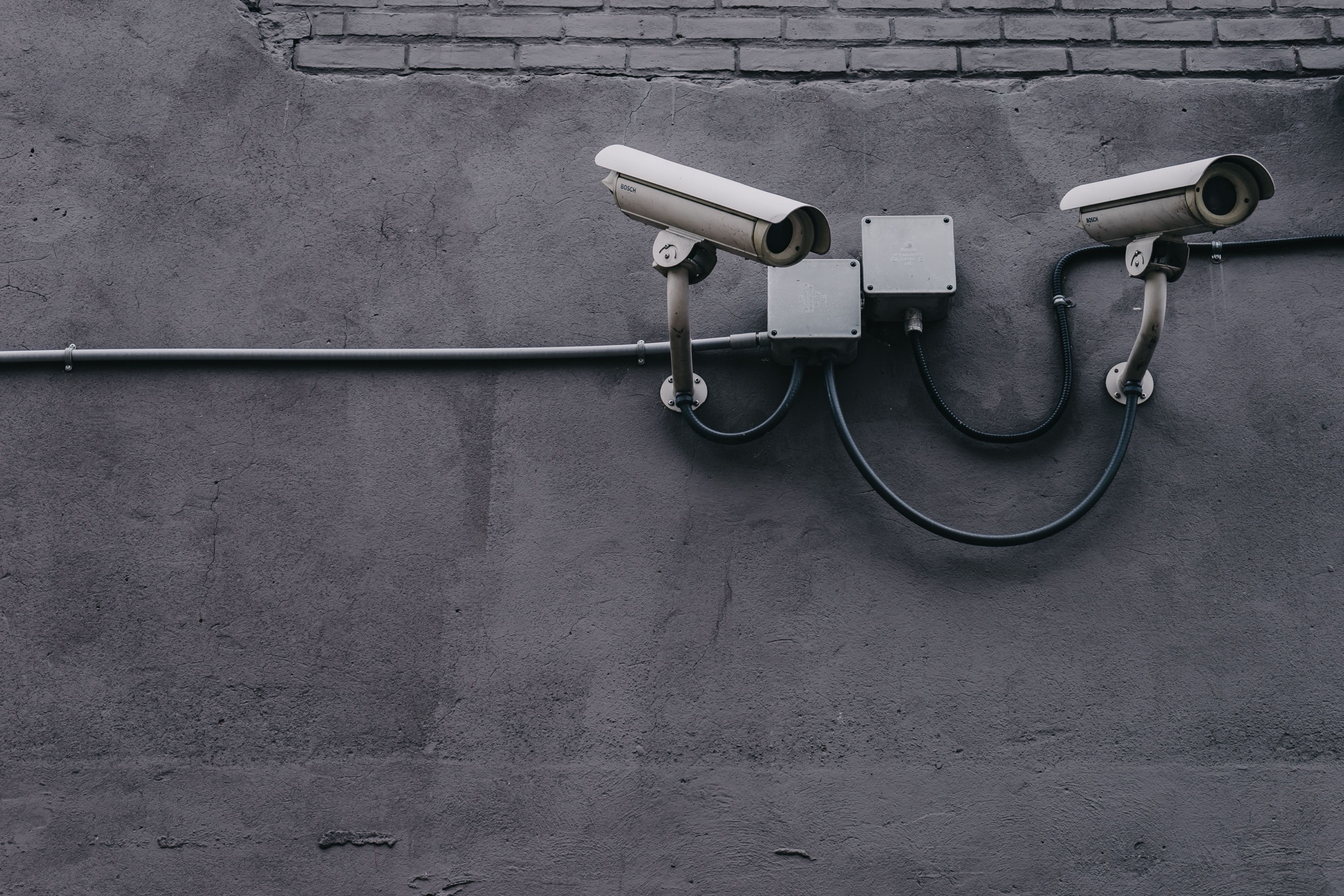
Tell us what you have and we'll test it and write back. Most cameras work. The list is just shorter than the world.
Sent. We'll email you once we've tested it.
Wired and PoE cameras with RTSP. Wi-Fi-only cameras and battery doorbells aren't currently supported. Not on the list? Send it and we'll test it.
Who it's for
An NVR, a few cameras, a doorbell. Keep all of them. Give them six senses and a home that acts on what they see.
Plug in the Hub. Nothing else changes.
The house keeps its rhythm while you are gone: voices, a dog, the vacuum. From the street, someone is home.
Occupancy sounds, on a schedule you set.
Between guests the house sits idle, sometimes hours away. jupyter watches the empty nights and tells you who arrived and when.
About the idle home, not your guests.
Know who is at the door before you open it, hear the side window even while you sleep, and let the house make some noise on your behalf.
No codes to remember.
Loitering at the back door after close, an unknown vehicle at 3am, glass at the front: named, and answered.
Uses the cameras already on the ceiling.
ParcelAI sees the delivery arrive and notices if it leaves with the wrong person.
An alert that says parcel, not motion.
The Hub
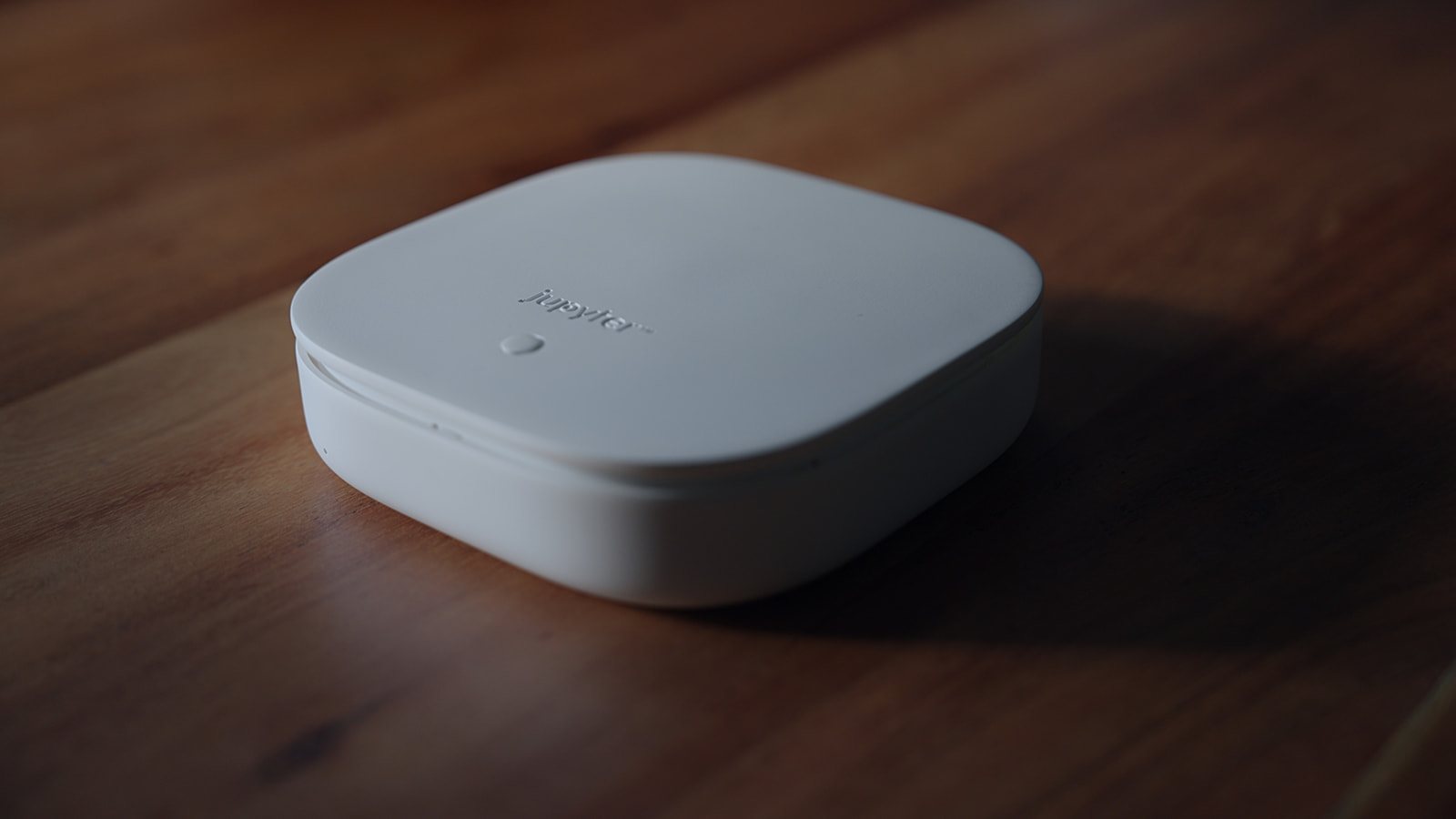
Arm at 11pm, disarm at 7am. Each mode carries its own rules for what the house watches, what it tells you, and what it may do without asking.
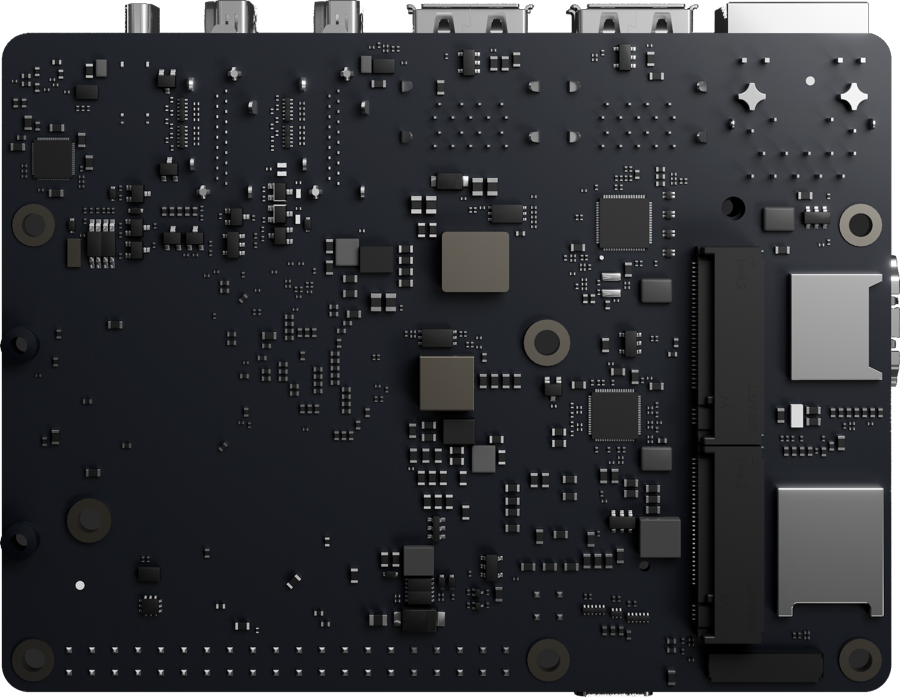
Recordings sit on solid state storage with no moving parts to wear out. Built to run every hour of the year.
The intelligence runs on the Hub itself. No cloud does the thinking, so no cloud needs paying.
Outdoor Halo
Mounted where people can see it. A visible Halo tells anyone at the door that this home is paying attention, before anything is touched.
They sound only when the Hub decides the situation warrants it. Not every time a cat crosses the lawn.
Made for the weather at your front door, and designed to look like it belongs on your home.
Indoor Halo
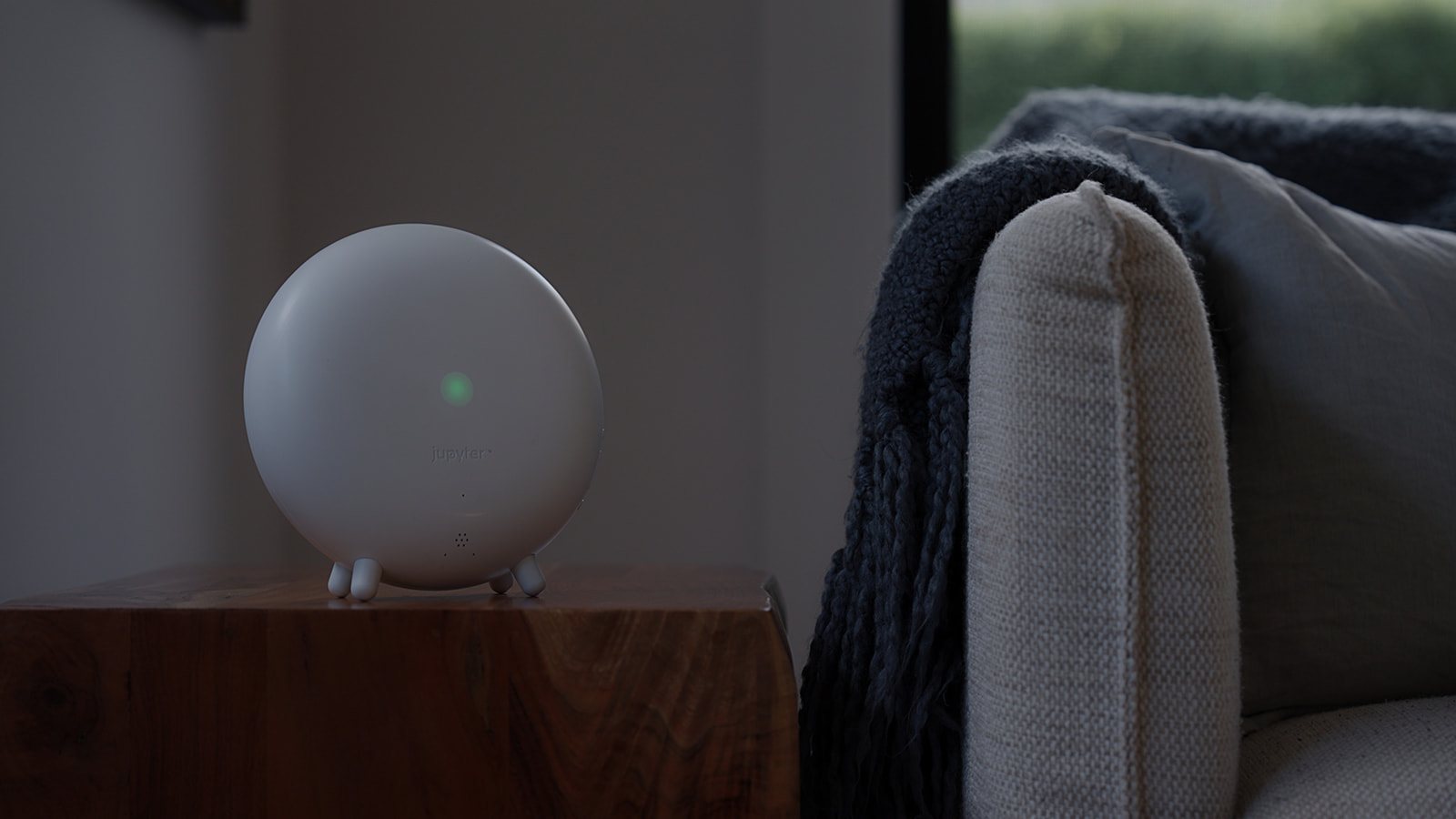
Voices, a dog, a vacuum moving room to room. OccupancyAI plays through the Indoor Halo, on a rhythm that doesn't repeat.
While the house is armed, it listens for glass breaking, a forced door or a scream, in the rooms no lens covers.
Ask what happened with VoiceAI. It carries a siren of its own, and it is the Bluetooth bridge for the Keyfob and Entry Door Sensor.
Specifications
Keyfob range varies with your home and its building materials. Warranty terms are in addition to your rights under the Australian Consumer Law.
The hardware
Small things that each carry more than one job, and none of them ask for attention.
jupyter Camera
Twin spotlights for a clear picture in low light. Designed to work with the Hub out of the box.
Keyfob
The alarm stands down as you walk through the door. Bluetooth proximity, with a range that suits most homes.
Entry Door Sensor
A small magnet on the door, a small sensor on the frame. It tells the Hub before anyone has walked far enough for a lens to find them.
SecureProtect app
It opens on a sentence, not a wall of clips: who came, what happened, what was done. Cameras, Halos, keyfobs and garage openers, in one place.
Privacy
Every frame is analysed on the Hub. When you watch remotely, the stream travels encrypted between your Hub and your phone. jupyter doesn't keep a copy of your video.
Recognition and recording happen on the Hub. There is no cloud copy of your video for us to keep.
Your phone connects to your Hub, encrypted end to end. Where a direct connection isn't possible, an encrypted relay passes the stream through without storing it.
Storage is on the Hub. That is why there is no monthly bill for it.
Storage and all six senses are bought once and keep working. VoiceAI may later become an optional paid feature.
Company
Built to be here in ten years.
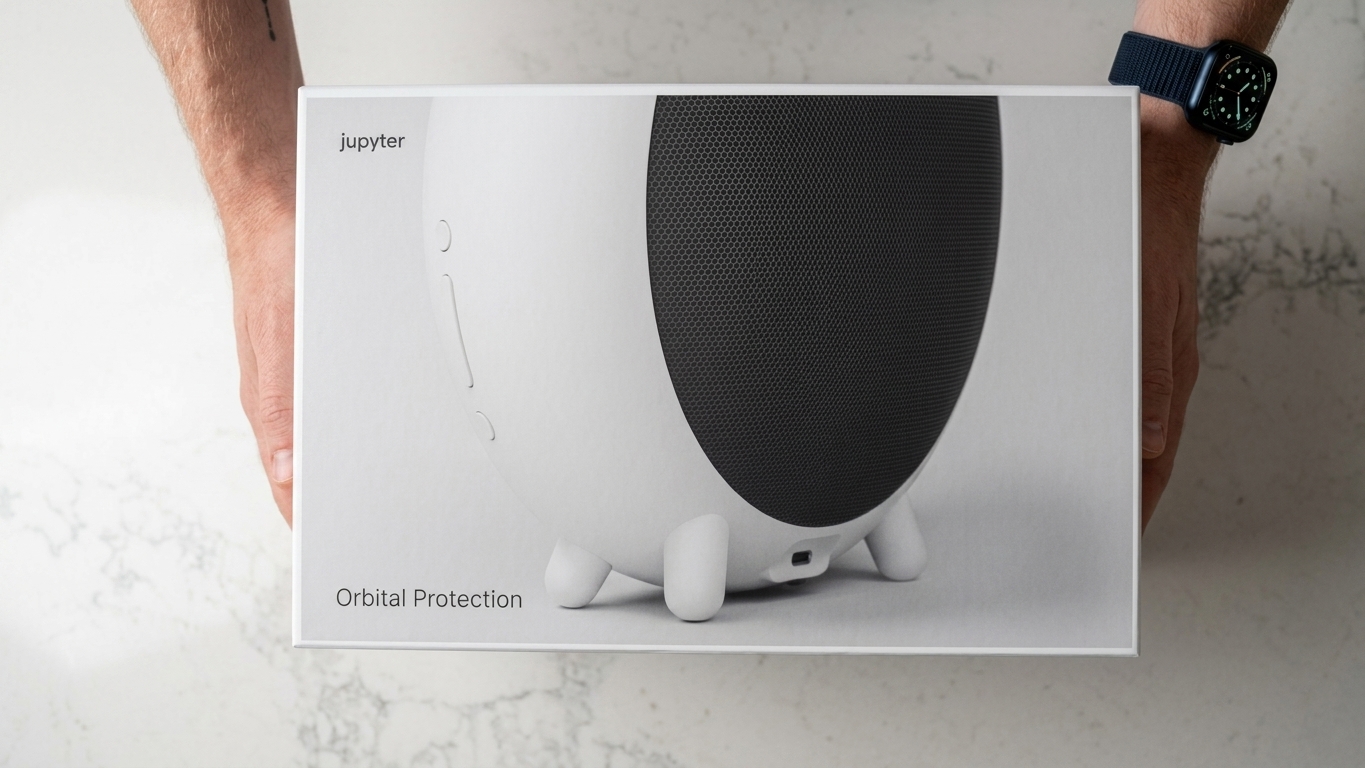
Years of design, redesign and pilot use in real homes before the first production unit ships.
Founded by Temi Akinloye after a career in applied AI and product engineering. Revenue is led by Matt Gaskell, formerly of Google Nest in Australia and New Zealand.
When something is not right, it is ours to put right. That is the only arrangement worth having.
Made by a small team who put it in their own homes first. Every reservation tells us to build the next one.
A small home security hub that plugs into the IP cameras you already own and gives them six AI senses: FaceAI, VehicleAI, ParcelAI, SoundAI, LoiterAI and OccupancyAI. All six run on the Hub inside your home. When it senses a threat it answers through the Outdoor and Indoor Halo, and every recording stays on the Hub. Designed in Melbourne, Australia.
Most likely, if they are wired or PoE IP cameras. jupyter connects over RTSP and ONVIF, which most IP cameras support. Cloud-only cameras that never expose a local stream, such as Ring and Google Nest, aren't supported. Search your brand above and we'll tell you.
Not for the system itself. Storage and all six AI senses are a one-time purchase. The one exception is VoiceAI, which is in beta at launch and may later become an optional subscription.
On the Hub, inside your home. Recognition and recording both run locally.
The house keeps protecting itself. Recording, the six senses and the deterrent all run on the Hub over your local network. You lose remote viewing and notifications until the connection returns.
No. jupyter is built to end the event before it becomes one, and to give you the evidence if it doesn't. It is not a monitored alarm service.
The Outdoor Halo has a siren and a strobe, so anyone nearby notices. It is not a floodlight and won't light your yard.
Yes. Plug the Hub into your router and follow the app to add your cameras. No rewiring, no drilling.
Up to 8 cameras per Hub, with all six senses running locally. Larger homes can add a second Hub.
A $25 refundable deposit holds your place in the first production run and your Early Bird price. We'll email you delivery timing as production progresses. Charges and cancellation follow the terms published with the campaign.
Returns and warranty follow the terms published with the campaign. Nothing limits your rights under the Australian Consumer Law.
Early Bird · limited reservations
Reserve with a $25 refundable deposit and lock in Early Bird pricing. No subscription for storage or the six senses.
Support
Tell us what you need and we'll write back. For camera compatibility, the checker on this page is faster.
Sent. We'll be in touch.
Or email info@jupyter.com.au.
Support
How delivery works for reservations and orders. The full terms published with the campaign apply.
i.
We'll email you delivery timing as production progresses, and let you know straight away if it changes.
ii.
Shipping destinations are confirmed at checkout.
iii.
Sent by email once your order is on its way.
iv.
Orders shipped outside Australia may attract duties or taxes, payable by the recipient unless checkout says otherwise.
v.
Support
Refunds, returns and warranty in brief. The full terms published with the campaign and at checkout apply.
i.
Your reservation deposit is refundable until your order is finalised. Email us with your order number.
ii.
Covered by our warranty and by the Australian Consumer Law. Contact us and we'll repair, replace or refund as appropriate.
iii.
Handled under the returns policy shown at checkout.
iv.
Nothing here limits your rights under the Australian Consumer Law.
v.
Company
We built jupyter because the industry chose subscriptions over substance. Cameras kept getting sharper while the intelligence behind them stayed locked behind monthly fees.
Read more at jupyter.com.au/jupyter-story.
Company
A small team in Melbourne, building home security hardware and the software that runs on it.
i.
We hire across firmware, AI, product and customer experience as the company grows. We look for people who care about craft and about the homes our product protects.
ii.
There may not be an open role that fits today. If you'd like to be considered, email careers@jupyter.com.au with a short note about what you'd bring and a link to your work.
Legal
How we handle your personal information, in plain English. Your rights under Australian privacy law apply in full.
i.
The details you give us, such as your name, email, delivery address, messages and the camera details you send us, plus standard technical information about how this site is used.
ii.
To handle reservations and orders, answer your questions, send the updates you have asked for, and improve our site and products.
iii.
Video and recognition data are processed on your Hub, inside your home. We don't receive or store your recordings.
iv.
Only the service providers that help us run the business, such as payment, email and delivery partners, and where the law requires it. We don't sell your personal information.
v.
Essential cookies keep this site working. Optional cookies are used only if you allow them.
vi.
You can ask us to access, correct or delete your information, and unsubscribe from emails at any time. Contact info@jupyter.com.au.
Legal
The key terms for using this site and reserving a jupyter system. Full terms are published with the campaign and at checkout.
i.
Information here is general and may change as the product develops.
ii.
A reservation holds your place and your Early Bird price. It is refundable until your order is finalised, and it is not a completed purchase.
iii.
Prices are those shown when you reserve or order. Orders are subject to acceptance and availability.
iv.
jupyter is a home security system. It is not a monitored alarm or an emergency service. In an emergency, call 000.
v.
To the extent the law allows, we aren't liable for indirect loss. Nothing in these terms limits your rights under the Australian Consumer Law.
vi.
jupyter Pty Ltd, Melbourne, Australia. All content, software and trademarks belong to jupyter Pty Ltd or its licensors. Questions: info@jupyter.com.au.
Legal
We want everyone to be able to use this site and our products.
i.
We work toward the Web Content Accessibility Guidelines: keyboard navigation, visible focus, readable contrast, text alternatives for images, a pause control on the main video, and respect for your reduced-motion setting.
ii.
If anything is hard to use, email info@jupyter.com.au and we'll work to fix it.